The COVID-19 pandemic accelerated a structural shift in how corporations define success. Across the Caribbean, Corporate Social Responsibility (CSR) is no longer confined to philanthropy or compliance reporting. Instead, it has evolved into a strategic framework centred on human capital investment, workforce resilience, and ESG-aligned governance.
Within this transformation, the ANSA McAL Group has emerged as a regional benchmark for people-first corporate strategy—positioning human capital not as a cost centre, but as a long-term investment in sustainability, competitiveness, and regional development.
From Crisis to “New Normal”: CSR as a Human Capital Strategy
The pandemic forced organisations globally to rethink operational continuity, employee wellbeing, and organisational trust. In Trinidad and Tobago and the wider Caribbean, companies were required to simultaneously manage health risks, supply chain disruption, and workforce uncertainty while maintaining productivity.
ANSA McAL responded by embedding CSR directly into its human resource strategy—shifting from reactive support to structured, long-term investment in people. This aligns with global ESG thinking, which prioritises the “S” (Social) dimension as essential to organisational resilience and value creation (World Economic Forum, 2021).
Rather than treating CSR as external community outreach alone, the Group integrated it into workforce planning, leadership development, and employee wellbeing systems.
“Together, We Are Family”: The Cultural Foundation of Human Capital Investment
A defining feature of ANSA McAL’s approach is its “family model” of corporate governance. As the organisation marks over 140 years of operations, leadership continuity has reinforced a culture where employees are viewed as extended family members rather than transactional resources.
This philosophy has been reinforced across generations of leadership—from the Sabga family legacy to current executive structures—shaping how policies are designed across subsidiaries.
The result is a corporate culture where wellbeing, loyalty, and long-term development are embedded into operational decisions, reflecting modern theories of “talent stewardship” and inclusive workforce management (Schwab, 2020).
Strategic Talent Development and “Talentship” in Practice
At the core of ANSA McAL’s human capital model is a structured approach to talent identification, development, and succession planning.
Key initiatives include:
- Group Talent Day (organisation-wide talent mapping)
- Improved succession coverage (from ~70% to 85% in critical roles)
- Executive education sponsorships (including MBA pathways)
- Leadership coaching programmes
- The Champion’s Programme for graduates
The Champion’s Programme is particularly significant. Since 2015, it has provided structured rotational placements for young graduates, enabling exposure across business units while accelerating leadership readiness. This aligns with global “future of work” frameworks that emphasise experiential learning and cross-functional agility (World Economic Forum, 2020).
These initiatives reflect a shift from traditional HR management to what can be described as “talentship”—a system that prioritises continuous capability building rather than static role fulfilment.
Inclusive Governance and Workplace Equity
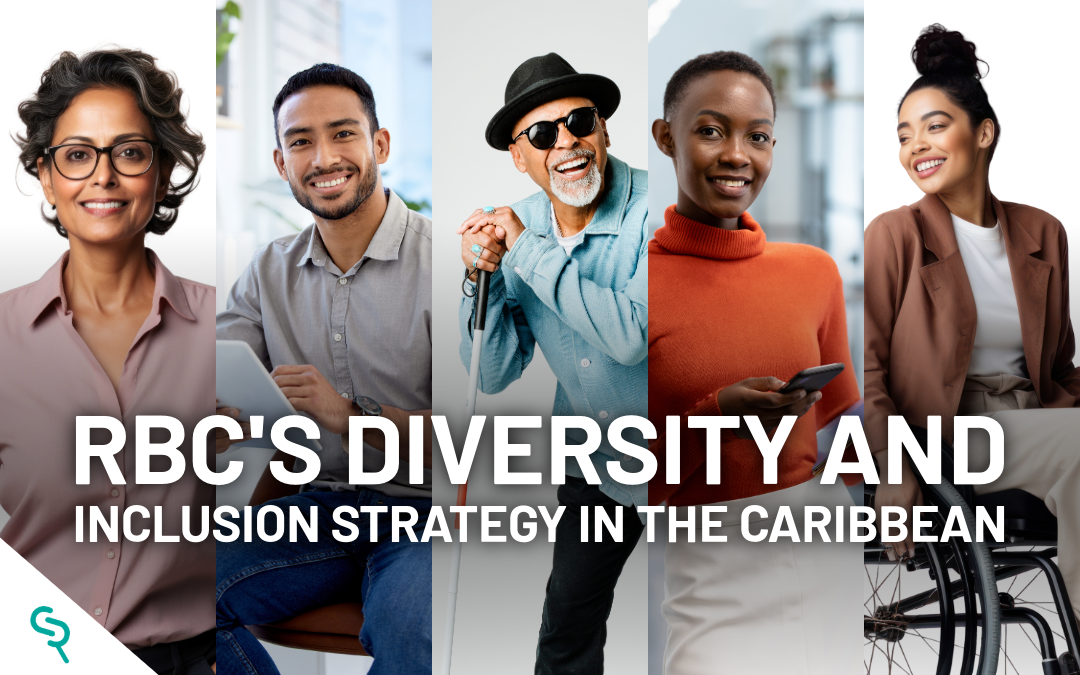
ANSA McAL’s ESG evolution extends into workplace inclusivity, including progressive policies on diversity, family benefits, and partner coverage structures.
The Group has also signalled a commitment to:
- Gender equity in leadership pipelines
- Inclusive benefits structures for diverse households
- Expanding psychosocial support systems
These measures align with global ESG benchmarks that increasingly link workforce inclusivity to organisational performance, retention, and innovation capacity (OECD, 2021).
Pandemic Response: Protecting People First
During COVID-19, ANSA McAL implemented a multi-layered employee protection strategy combining health, financial, and psychosocial support.
Key interventions included:
- Partnerships with medical providers for employee care and monitoring
- Company-funded COVID-19 treatment support for affected staff
- Vaccine education and awareness campaigns
- Transportation to vaccination sites
- Coverage of PCR testing through health insurance schemes
Employee engagement campaigns included regional initiatives such as:
- A Small Dose of Hope Can Bring Us Together
- Pandemic Portraits
- Let’s Give Ourselves a Fighting Chance
- Vaccine incentive campaigns supporting public health participation
The outcome was a vaccination rate of approximately 80% across subsidiaries by 2021, demonstrating strong organisational alignment between leadership messaging and employee trust.
Community Investment and Shared Resilience
ANSA McAL’s human capital philosophy extends beyond employees to include surrounding communities—particularly in times of crisis. During flooding events in Trinidad, the Group mobilised relief initiatives including:
- Distribution of care packages and essential supplies
- Mattress donations for displaced families
- Media-led fundraising through subsidiary platforms
During the pandemic, Carib Brewery also produced over 100,000 bottles of hand sanitizer across regional sites, reinforcing a model of decentralised, employee-driven community response.
This reflects an ESG principle increasingly recognised in CSR literature: that corporate resilience is strengthened when communities are treated as ecosystem stakeholders rather than external beneficiaries (Porter & Kramer, 2019).
Regional Solidarity and Crisis Response
ANSA McAL has also played a role in regional disaster response, including support for St. Vincent and the Grenadines following the La Soufrière volcanic eruptions in 2021.
Multiple subsidiaries contributed logistics, supplies, and financial assistance, demonstrating the Group’s ability to mobilise cross-border CSR operations across the Caribbean.This regional responsiveness reinforces ANSA McAL’s positioning as a multi-territory ESG actor rather than a single-market enterprise.
The Anthony N. Sabga Caribbean Awards: Investing in Excellence
A flagship initiative of the Group’s human capital strategy is the Anthony N. Sabga Caribbean Awards for Excellence.
Since its founding in 2005, the programme has:
- Awarded over TTD 21.5 million in funding
- Recognised 49 laureates across the Caribbean
- Supported excellence in Arts, Science, Entrepreneurship, and Public Service
Recent laureates include climate scientist Professor Tannecia Stephenson and biotech innovator Dr. Niven Narain (2026 cycle), reinforcing the programme’s alignment with climate resilience and innovation-driven development.
The Awards function not only as recognition but as a regional talent pipeline—supporting long-term intellectual capital development across the Caribbean.
Environmental ESG: Circular Economy Leadership
Human capital investment at ANSA McAL is reinforced by environmental sustainability initiatives led by subsidiaries such as Carib Glassworks Limited.
Carib Glassworks operates one of the region’s most advanced glass recycling systems, supporting circular economy principles through:
- Bottle-to-bottle recycling systems
- Industrial glass recovery and reuse
- Reduction of landfill waste
- Coastal cleanup partnerships with SWMCOL
This directly supports SDG 12 (Responsible Consumption and Production), linking workforce engagement to environmental stewardship.
Digital Transformation and the Future of Talent
Looking ahead, ANSA McAL is increasingly aligning its human capital strategy with digital transformation trends, including:
- AI-supported learning pathways
- Data-driven succession planning
- Digital performance management systems
- Virtual leadership development environments
These systems enable personalised learning journeys and more responsive workforce development, ensuring that employees remain adaptable in a rapidly changing economic environment.
Human Capital as the Core of ESG Leadership
ANSA McAL’s post-pandemic strategy demonstrates that CSR is most effective when it is integrated into the core of corporate governance rather than treated as a peripheral function. By embedding human capital investment into leadership development, employee wellbeing, community resilience, and environmental sustainability, the Group has created a holistic ESG model rooted in people-first governance.
In doing so, ANSA McAL reflects a broader regional truth: the future of Caribbean business competitiveness will depend not only on financial capital, but on how effectively organisations invest in, protect, and empower their people.
References
ANSA McAL Group
Carib Glassworks Limited
World Economic Forum Future of Work
OECD Inclusive Workplace Policies
Anthony N. Sabga Caribbean Awards for Excellence
OECD. (2021). Workforce inclusion and productivity in the modern economy. Organisation for Economic Co-operation and Development.
Porter, M. E., & Kramer, M. R. (2019). Creating shared value: How to reinvent capitalism. Harvard Business Review.
Schwab, K. (2020). Stakeholder capitalism: A global economy that works for progress, people and planet. World Economic Forum.
World Economic Forum. (2020). The future of jobs report. World Economic Forum.
World Economic Forum. (2021). ESG and corporate resilience in a post-pandemic world. World Economic Forum.