
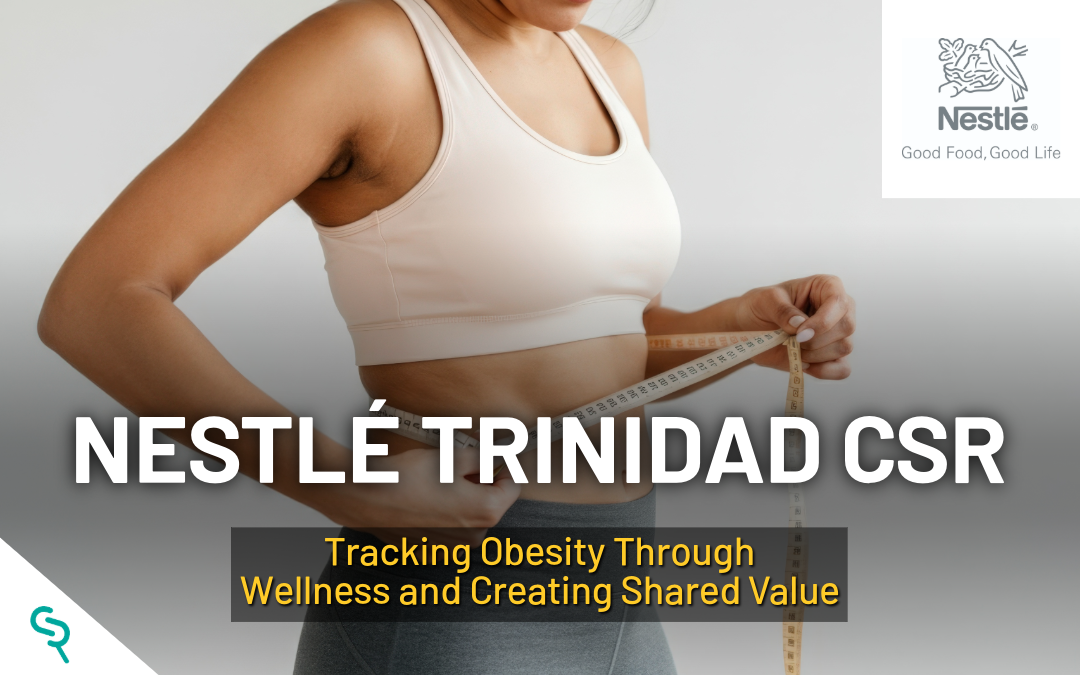

Nestlé Trinidad CSR: Tackling Obesity Through Wellness and Creating Shared Value
Obesity in Trinidad and Tobago has been a growing public health concern, contributing significantly to the rise of non-communicable diseases (NCDs) such as diabetes, hypertension, and cardiovascular disease.
According to the 2011 STEPS National Risk Factor Survey:
55% of adults were overweight or obese
25% of secondary school children were overweight or obese
91% of the population consumed few fruit and vegetables
40% reported insufficient physical activity
What this means:
Lifestyle-related health risks are widespread, reinforcing the urgent need for nutrition and wellness advocacy in Trinidad and Tobago.
Nestlé’s CSR Approach: Creating Shared Value (CSV)
Nestlé Trinidad and Tobago Limited addresses community health challenges through its global CSR framework known as Creating Shared Value (CSV) – a strategy that aligns business success with societal well-being.
Key Focus Areas:
Nutrition
Water sustainability
Rural development
By combining CSR and business strategy, Nestlé ensures that its operations actively contribute to improving public health outcomes.
What is the Nestlé Wellness Caravan in Trinidad and Tobago?
The Nestlé Wellness Caravan T&T is one of the company’s most visible and impactful initiatives. The Caravan provides:
Free BMI fat testing
One-on-One consultations with certified nutritionists
Practical guidance on healthy living
The Nestle 5-Step Wellness Model:
Eat Healthy
Control Portions
Be Active
Check Your Health
Be Happy
Why it matters:
The Wellness Caravan brings accessible health screening and education directly into communities, lowering barriers to preventive care.
Addressing Childhood Obesity: Nestlé Healthy Kids Programme
The Nestlé Healthy Kids Programme which is delivered in primary schools across Trinidad & Tobago, targets children aged 6–12 to build lifelong healthy habits.
Programme Focus:
Nutrition
Physical activity
Hygiene and disease prevention
Engagement with parents and teachers
Impact Goal:
Reduce childhood obesity in Trinidad and Tobago by influencing behaviour early.
The Truth About Breakfast: Debunking Weight Loss Myths
Through its Nestlé Breakfast Initiative, the company addresses a common misconception that skipping breakfast helps with weight loss. According to Nestlé nutritionist Shaunelle Mieres, Breakfast should provide ~25% of daily energy needs and eating regular meals better supports healthy weight management.
Supporting National Health Campaigns
Nestlé’s initiatives align closely with the Ministry of Health Trinidad and Tobago and its Fight the Fat Campaign, which aims to reduce the prevalence of NCDs.
Areas of Alignment:
- Obesity reduction
- Diabetes prevention
- Public health education
- Community outreach
Strategic Insight:
Public-private partnerships strengthen the overall impact of national health strategies.
Why Obesity Matters: The Link to NCDs
There is a direct connection between obesity and:
- High blood pressure
- High cholesterol
- Diabetes
- Heart disease
These conditions are influenced by:
- Poor diet
- Physical inactivity
- Lifestyle habits
- Genetic factors
Key Takeaway:
Preventive education and early intervention are critical to reversing current trends.
Community Education Through Multiple Channels
Nestlé delivers its wellness message through:
Mobile outreach (Wellness Caravan)
In-school programmes
Supermarket activations
Conferences and workshops
Digital and social media platforms
This multi-channel approach ensures broader reach and sustained engagement.
Nestlé’s Plays an Important Role in Public Health Transformation
Nestlé Trinidad and Tobago demonstrates how a private sector company can contribute meaningfully to national health outcomes. The company does this through:
- The Wellness Caravan
- The Healthy Kids Programme
- Nutrition education initiatives
Nestle is actively working to reduce obesity and promote healthier lifestyles.
This is CSR in action—where business success and societal wellbeing are deeply connected.
2026 Perspective: Strengthening Wellness Impact
While the original data is based on 2011–2013, the strategy remains relevant. The latest 2024 PAHO/WHO STEPS Survey highlights a growing health concern in Trinidad and Tobago. More than 57% of adults are overweight or obese, and over half of some groups are not getting enough physical activity. These factors significantly increase the risk of heart disease and other noncommunicable diseases (NCDs).
Medical Disclaimer
This content is for informational purposes only and is not intended as medical advice. Individuals should consult qualified healthcare professionals for personalized guidance on diet, exercise, and health conditions.